
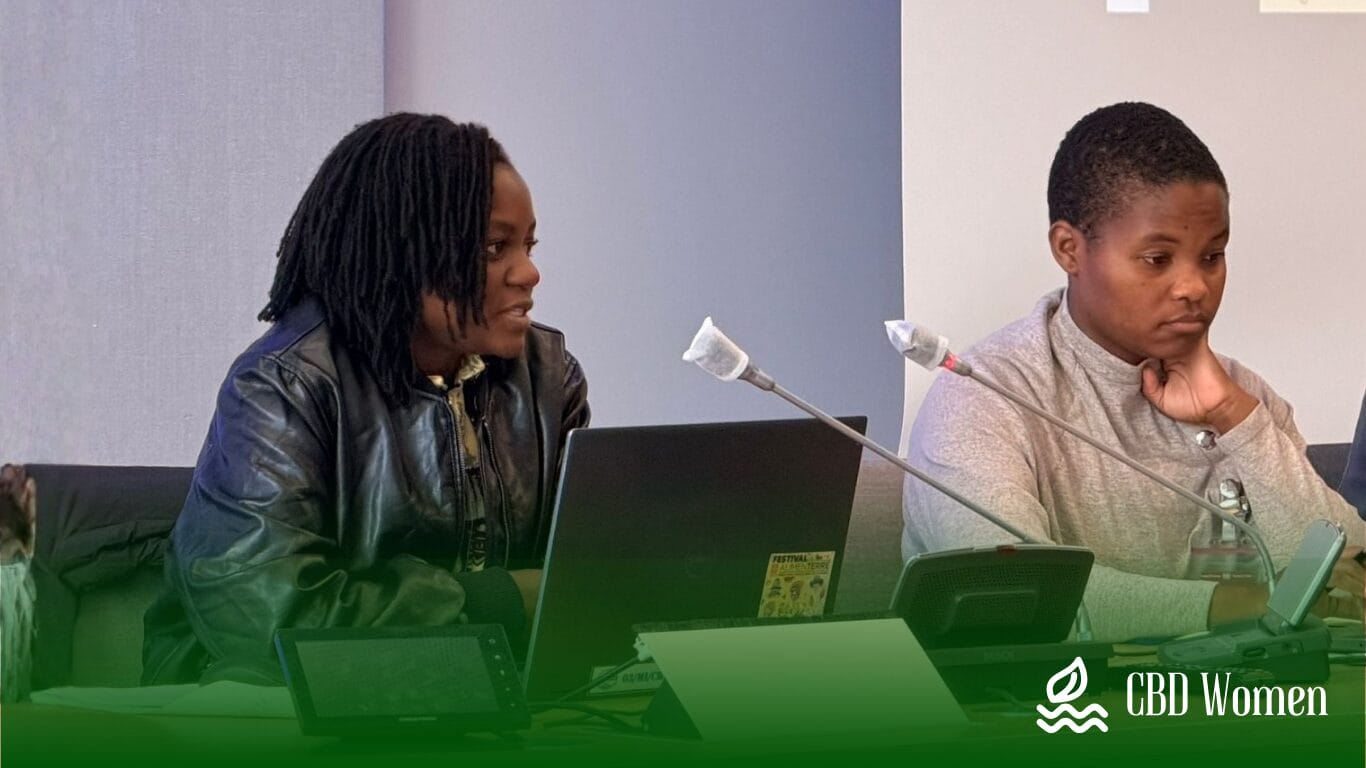
By Marie Angèle Taïwo AKOWE IKPADOUN member of the CBD Women’s caucus
Disclaimer: The views expressed in this blog are those of the author and do not necessarily reflect the official position or opinions of the CBD Women’s Caucus
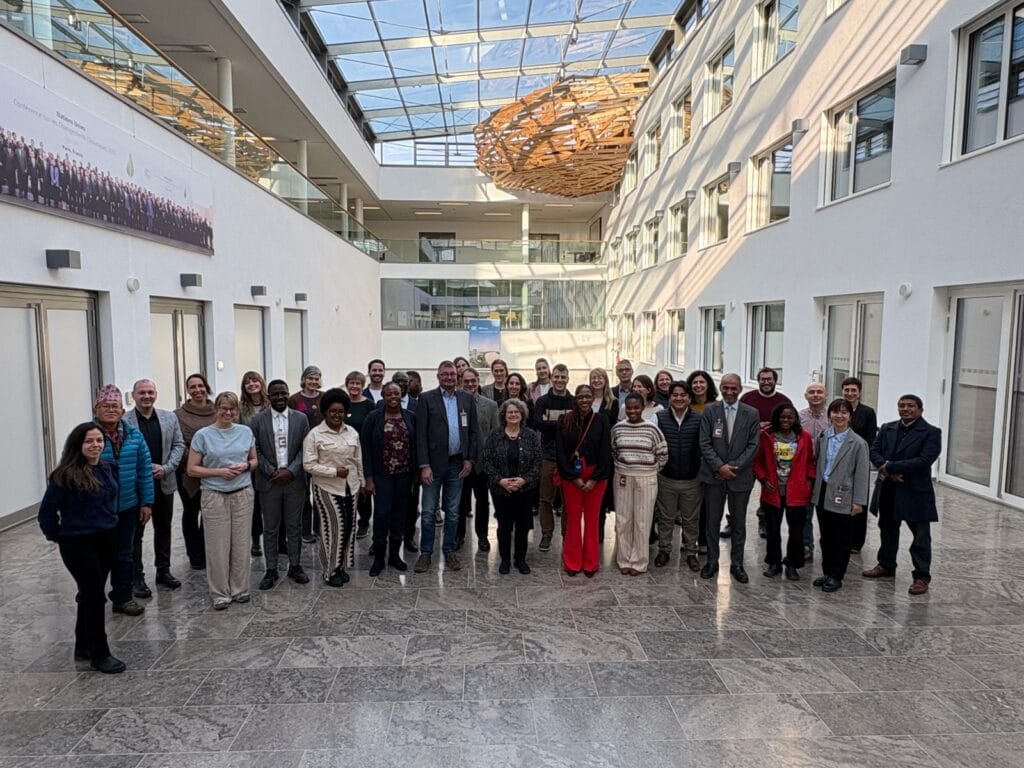
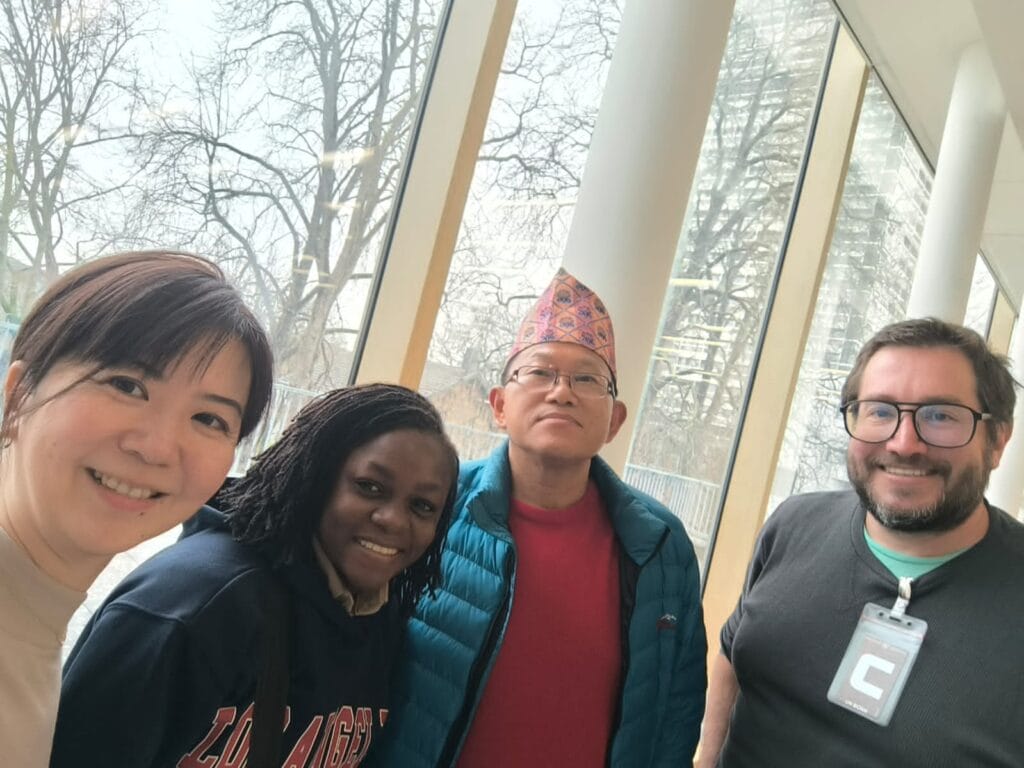
From 9-11 February 2026, Marie Angèle Taïwo AKOWE IKPADOUN represented the CBD Women’s Caucus at the at the «Expert Meeting on the Draft Global Guidance on the Sustainable Management of Wildlife Applicable to Multiple Species and Practices«, held in Bonn, Germany, where she contributed to discussions on strengthening inclusive and participatory approaches to wildlife management, including the recognition of women’s roles, traditional knowledge, and the rights of Indigenous Peoples and local communities in biodiversity conservation and decision-making processes.
About the event
The world of conservation is reaching a historic milestone. Recently, the ‘Expert Meeting on the Draft Global Guidelines for Sustainable Wildlife Management’ was held. The challenge is to define common rules to protect our species while respecting the rights of the populations that coexist with them. To this end, the ‘Expert Meeting on Draft Global Guidelines for the Sustainable Management of Wildlife Applicable to Multiple Species and Practices’ was held under the leadership of the Secretariat of the Convention on Biological Diversity.
At its 15th meeting, the Conference of the Parties to the Convention on Biological Diversity adopted the Kunming-Montreal Global Biodiversity Framework, which for the first time explicitly includes targets related to wildlife and recognises the role of wild species. The Framework emphasises the sustainable management of wildlife through Target 4 (halt extinctions, protect genetic diversity and manage human-wildlife conflicts), Target 5 (ensure sustainable, safe and legal exploitation and trade) and Target 9 (manage wild species sustainably for the benefit of people). Together, these targets support integrated, evidence-based, rights-respecting and participatory approaches to sustainable wildlife management. The Conference of the Parties to the Convention on Biological Diversity requested the Executive Secretary, for the sustainable management of wildlife, to develop draft global guidelines on the sustainable management of wildlife applicable to multiple species and practices, with a focus on: (a) inclusive and participatory decision-making; (b) the inclusion of multiple knowledge systems and the recognition of rights; and (c) the equitable sharing of costs and benefits.
In this context, the CBD Women’s Caucus was invited to represent the voice of women at this expert meeting. This invitation is in line with the Caucus’ historic mission, which has been working for years to promote the inclusion of women, local communities and indigenous peoples in biodiversity conservation and their active and effective participation in global decision-making bodies.
Improving the draft global guidelines on sustainable wildlife management (SWM)
The main purpose of the meeting was to review and improve the draft global guidelines on sustainable wildlife management (SWM).
- Specifically, it consisted of:
- bringing together experts to review this first draft of global guidelines and provide technical input.
- verify whether the draft global guidelines are balanced, scientifically based and appropriate to the geographical, ecological, social and economic contexts of SWM.
- identify gaps and areas for clarification, and propose practical revisions to enhance applicability.
Then support the review of the draft global guidelines by the CBD’s scientific body (SBSTTA) before the next COP.
Young people, governments, national parks and biosphere reserves, researchers, indigenous peoples, CITES, IUCN, NGOs and universities were all there. Connect the main themes of the event with the Caucus’s mission and goals. Highlight topics of shared interest, like biodiversity, women’s rights, indigenous knowledge, and so on.
The themes that came up most frequently during this meeting were:
- the promotion of traditional knowledge in the protection of endangered species;
- the effective inclusion of women in biodiversity conservation;
- the inclusion of indigenous peoples and local communities in decision-making bodies relating to natural resource management within local communities and indigenous territories;
- the equitable sharing of benefits generated by biodiversity conservation activities;
- the importance of contextualising (based on the realities of territories, continents and countries) documents, guides and guidelines developed for wildlife conservation;
- the alignment of conservation activities with the needs of communities in and around protected ecosystems.
Most of these themes fall within the scope of the CBD Women’s Caucus’s lines of action, demonstrating how often the organisation’s various actions broadly encompass the ideas discussed at this meeting.
Outcomes and nexts steps
CBD WC’s attendance at this meeting not only raised awareness of its activities but also enabled other women to fill out the integration form. It also served to reiterate the organisation’s commitment and determination alongside the Secretariat of Biological Diversity and organisations that are truly committed to the inclusion of women in environmental issues.
Invited to this panel of experts, the CBD Women’s Caucus played a crucial role. For years, it has been fighting to ensure that women, local communities and indigenous peoples are no longer mere spectators, but decision-makers in conservation.
Sustainable biodiversity management cannot be achieved without genuine inclusion. By bringing women’s voices to this meeting, we reaffirm that their expertise and social role are the foundations of a preserved natural environment and a resilient green economy.