By Ms.Marie Salvatrice Musabyeyezu, from Rwanda.
Disclaimer: The views expressed in this blog are those of the author and do not necessarily reflect the official position or opinions of the CBD Women’s Caucus
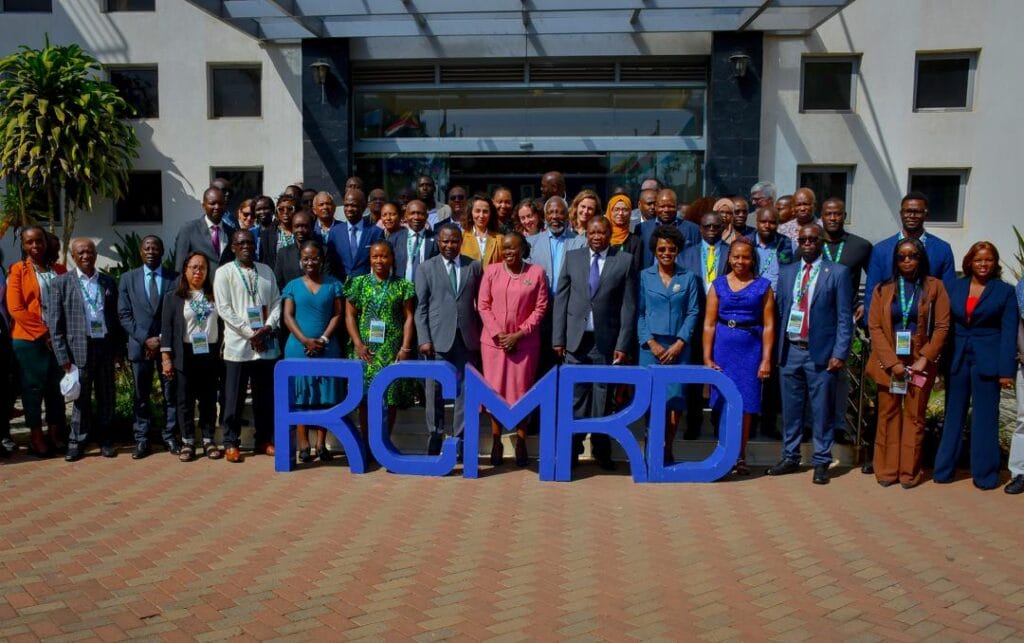
From 27 to 30 January 2026, Ms Marie Salvatrice Musabyeyezu from Rwanda, represented the CBD Womens Caucus at the Sub-regional Workshop on Biodiversity Monitoring and Reporting in relation to Target 2 of the Kunming–Montreal Global Biodiversity Framework was convened in Nairobi, Kenya, at the Regional Centre for Mapping of Resources for Development (RCMRD). The workshop was organized by the CBD Secretariat, in collaboration with the Food and Agriculture Organization of the United Nations (FAO), RCMRD, and CIFOR/ICRAF. It brought together government representatives, technical experts, practitioners, and partners from 11 RCMRD Member States, creating a strong
platform for technical exchange, learning, and cooperation.
Why target 2 matters?
Highlights and Challenges
A consistent message throughout the workshop was that ecosystem restoration is not solely
a technical exercise, it is fundamentally an inclusive and fair social process. Monitoring
frameworks must therefore extend beyond biophysical indicators to capture inclusive and
fair participation, power, knowledge systems, and benefit-sharing.
Target 2 of the Kunming -Montreal Global Biodiversity Framework (KMGBF) commits
countries to ensure that at least 30 per cent of degraded terrestrial, inland water, coastal
and marine ecosystems are under effective restoration by 2030. This ambition sits at the
heart of global efforts to halt and reverse biodiversity loss, enhance ecosystem resilience,
support sustainable livelihoods, and contribute meaningfully to climate change mitigation
and adaptation.
Yet, achieving Target 2 is not only a question of scale. It is equally about the quality,
effectiveness, and long-term sustainability of restoration efforts. Robust monitoring and
reporting systems are therefore essential not only to track how much land or water is being
restored, but also to assess how restoration is undertaken, who is involved, and what
lessons can strengthen future actions.
In this context, sub-regional dialogue and peer learning play a critical role. Countries across
the region face shared challenges, while also holding diverse experiences, tools, and
innovations that can inform collective progress. The Nairobi workshop offered a timely and
strategic space to reflect on restoration quality, strengthen monitoring systems, and
enhance collaboration across borders.
Milestone Launch and Collective Commitment
The opening day marked a significant milestone for regional biodiversity cooperation, with
Kenya’s Cabinet Secretary for Environment, Climate Change and Forestry officially launching
RCMRD as a Convention on Biological Diversity (CBD) Subregional Technical and Scientific
Cooperation Support Centre. This new mandate positions RCMRD to support its 11 Member
States in the implementation, monitoring, and reporting of the KMGBF, reinforcing the
essential role of regional institutions in building capacity, strengthening data systems, and
facilitating technical and scientific collaboration.
The ceremony also highlighted the KMGBF as a shared global framework guiding
biodiversity action for the decade ahead. Special emphasis was placed on translating Target
2 on ecosystem restoration into national actions that are measurable, reportable, and inclusive, ensuring that restoration efforts are aligned with robust data, participatory
approaches, and long-term institutional commitment.
Focus of the Workshop
The workshop agenda centered on strengthening national and regional capacities for
monitoring and reporting on ecosystem restoration. Key areas of focus included:
*Understanding the scope and ambition of KMGBF Target 2
*Aligning National Biodiversity Strategies and Action Plans (NBSAPs) with KMGBF
targets
*Identifying and applying indicators and data sources for restoration monitoring
*Strengthening national reporting systems under the CBD
*Sharing country experiences, challenges, and good practices
*Exploring the role of spatial data, mapping, and geospatial tools in restoration
monitoring
Special attention was given to the Framework for Ecosystem Restoration Monitoring
(FERM), with FAO highlighted as the custodian of restoration-related information and data
supporting Target 2 monitoring and reporting. Discussions underscored the importance of
engaging with FERM to ensure coherence, comparability, and transparency across national
and regional reporting efforts.
Spotlight on the CBD Women’s Caucus
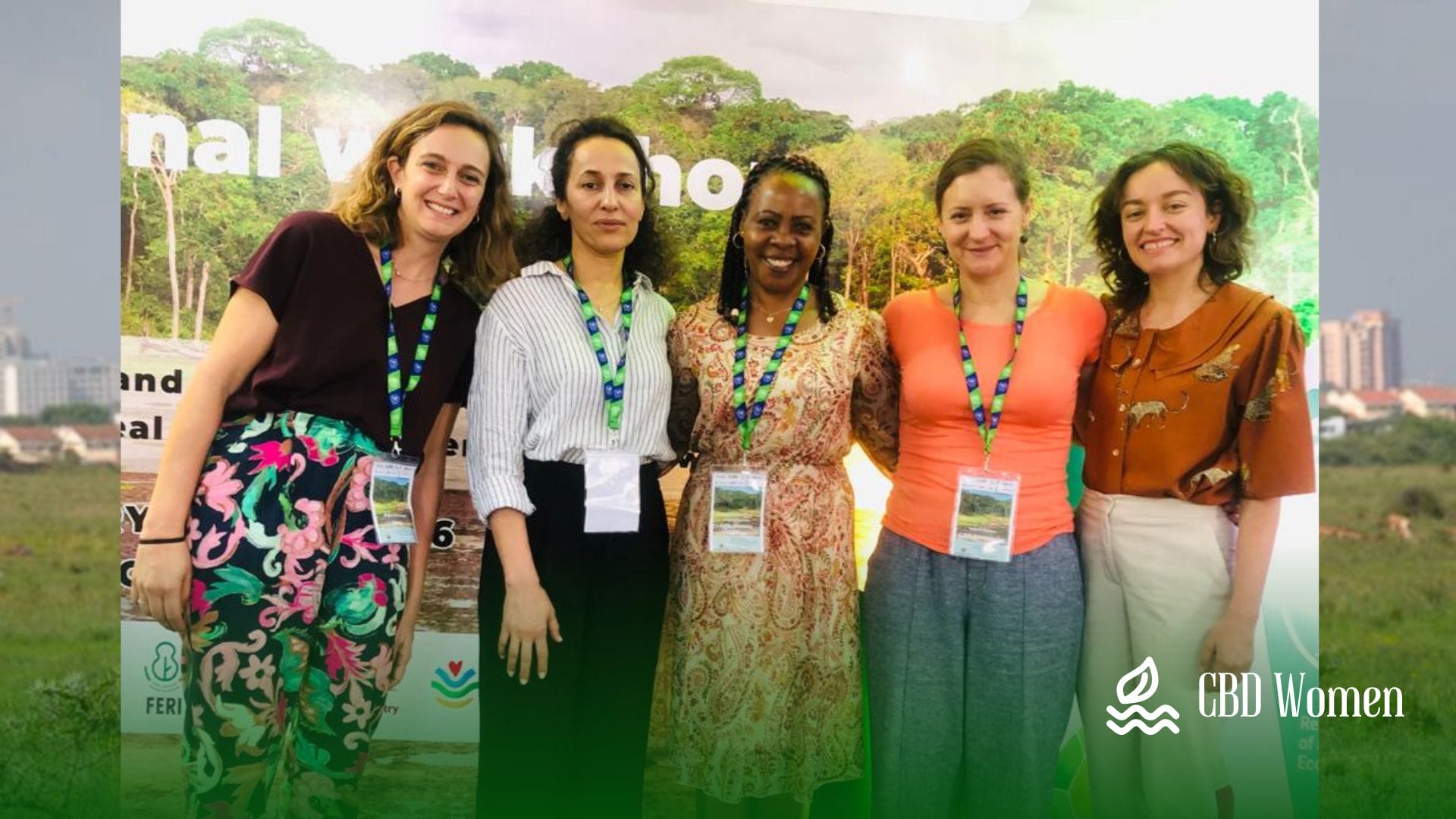
On the final day of the workshop, Marie Salvatrice Musabyeyezu introduced the CBD
Women’s Caucus and its work. She described it as a global network focused on ensuring
biodiversity policies are gender-responsive and on promoting the rights, leadership, and
knowledge of women and girls, particularly Indigenous and local women in decision-making
under the Convention on Biological Diversity (CBD).
She also highlighted the CBD women’ caucus’s leadership and involvement in the Gender
Plan of Action (GPA) and its importance for achieving all targets of the Kunming-Montreal
Global Biodiversity Framework (KMGBF), including ecosystem restoration.
Participants were invited become members, and join the Gender and Biodiversity Champions movements, strengthening collective action for gender ejustice and inclusive biodiversity governance.
Learning from the Field: CIFOR/ICRAF and Karura Forest
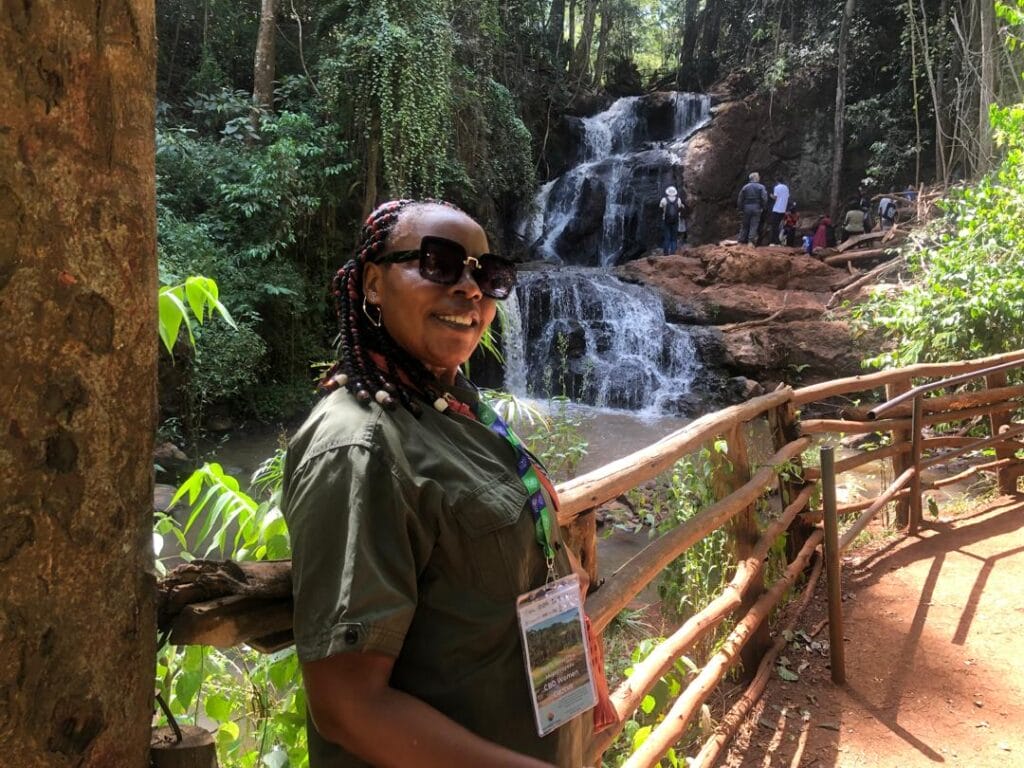
The workshop included a field visit to CIFOR/ICRAF and Karura Forest, offering practical
insights into ecosystem restoration in urban and peri-urban contexts.
At CIFOR/ICRAF, participants engaged with research that connects restoration with
governance, livelihoods, and climate resilience, highlighting the importance of strong
science vs policy interfaces. The visit to Karura Forest showcased a compelling restoration journey, from a threatened landscape to a protected and thriving forest demonstrating the
impact of sustained commitment, institutional leadership, and community engagement.