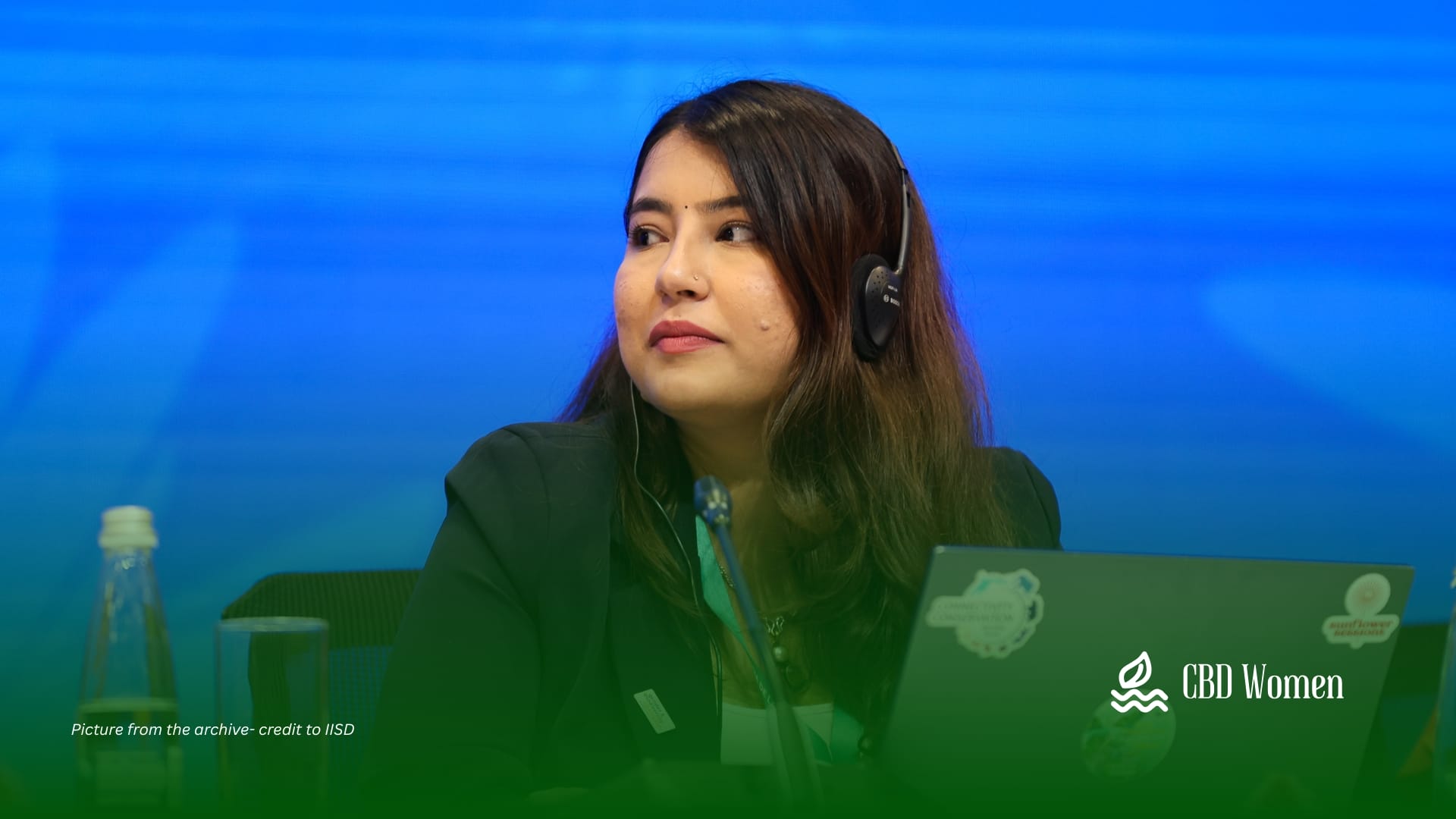
By Ms. Priyanka Pandey, Representative of the CBD Women’s Caucus to the GBF Fund Council
Disclaimer: The views expressed in this blog are those of the author and do not necessarily reflect the official position or opinions of the CBD Women’s Caucus
The Fifth Council Meeting of the Global Biodiversity Framework Fund (GBFF) was held on 18–19 December 2025, following the close of the GEF Council meeting. Unlike previous sessions, Observers to the GBFF, including the CBD Women’s Caucus, were formally invited to attend the Global Environment Facility (GEF) Council, Least Developed Countries Fund ( LDC) Council, and small island developing states (SIDS) Council meetings, marking a meaningful step forward in participation. This change came as a direct instruction from the GEF CEO and Chairperson, emphasizing the need to engage Observers more systematically across governance levels.
For the CBD Women’s Caucus (CBD WC), this shift reflects a gradual but important recognition: women and civil society are not symbolic participants in biodiversity finance; they are essential knowledge holders and governance actors.
Gender Moves to the Center, But Barriers Remain
A notable highlight of this Council meeting was the stronger emphasis on gender and women’s participation, as reflected in statements from several Council Members, particularly those from Germany, Canada, and the Netherlands. Calls were repeatedly made for gender-disaggregated reporting, improved indicators, and clearer accountability mechanisms across GBFF-supported work.
The Secretariat also presented new mandatory indicators that require all GBFF-funded projects to report on gender-related data. This shift represents an important though still incomplete step toward ensuring that women’s participation moves beyond rhetoric and into measurable practice.
At the same time, longstanding political tensions continue to challenge progress. Brazil reiterated its position that GBFF programming should remain strictly framed by national legislation and objected to GEF engagement in the plastics treaty. Meanwhile, the Draft Resource Mobilization Strategy was not adopted, as several donor countries requested additional clarity on the expected financial sources, especially those related to private sector engagement. Notably, inputs from Observers, including the CBD WC, were reflected in the strategy text, even if the process remains unfinished.
The Guidelines on Actions by Indigenous Peoples and local communities, while welcomed by many members, also exposed gaps. China requested clearer guidance on how governments should engage with Indigenous Peoples and local communities, reinforcing the critical need for capacity-building and governance support, not only at institutional but also at community level.
Shifting Observer Participation: From Presence Toward Meaningful Engagement
Observers to the GBFF, including Women, Youth, Indigenous Peoples, and local communities experienced a more open and responsive environment during this meeting. Unlike previous sessions, we were consistently given the floor when we requested it, and there was a visible effort from the Secretariat to ensure our interventions were heard.
CBD Women’s Caucus had the opportunity to articulate clear gender-focused perspectives grounded in lived realities and rights-based approaches.
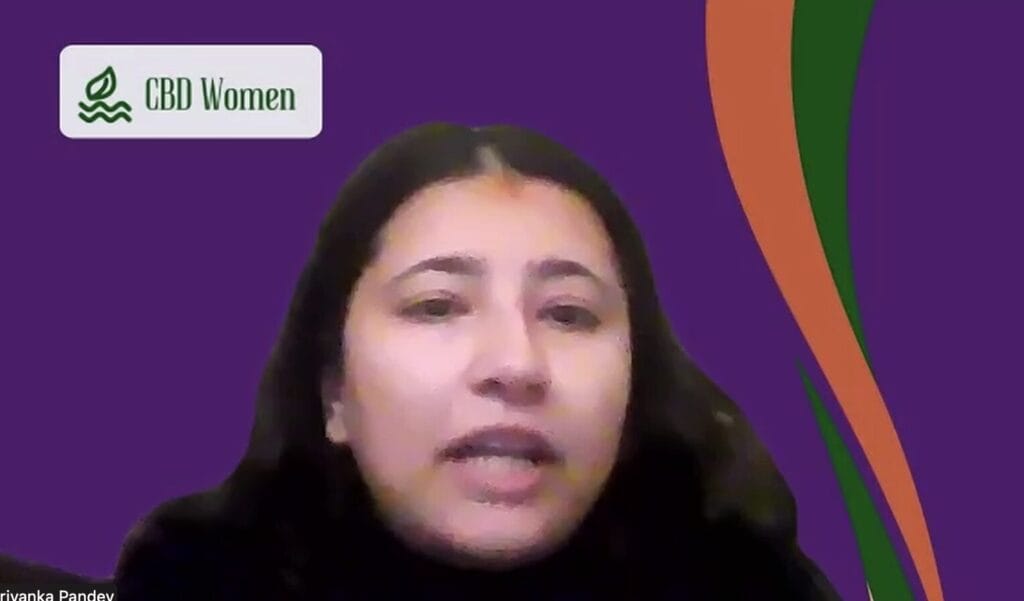
In our intervention Ms. Edda Fernandez Luiselli and myself Ms. Priyanka Pandey on behalf of the CBD Women’s Caucus, we emphasized that:
The message was simple and clear: projects designed by women will reach women.
And when women are meaningfully included, biodiversity finance becomes more just, effective, and sustainable.
What We Said and Why It Matters
During the Council discussions on the Resource Mobilization Strategy and the GBFF Results Framework, the CBD Women’s Caucus stressed that:
✔ Financing must translate into direct, accessible resources for women-led organizations, especially at the grassroots level
✔ Gender indicators must go beyond numerical participation and reflect leadership, power, and control over resources
✔ Gender-responsive approaches must be embedded across all GBFF action areas
✔ Data must be linked to learning, adaptation, and accountability, and not collected as a reporting exercise
We welcomed progress but also pointed to the persistent risk that large-scale biodiversity finance may continue to bypass women unless allocation systems intentionally correct structural inequalities.
A Changing Institutional Culture: Small Steps, Real Meaning
This Council meeting marked a clear cultural shift:
💠 Observers were acknowledged as partners
💠 Gender was present in high-level policy discussions
💠 Our proposals appeared in official documentation
💠 Engagement opportunities expanded
💠 And our constituency (CBD Women’s Caucus) representing 800+ women and allies across 120+ countries was treated with greater respect and inclusion
These may seem like procedural gains, but they matter deeply. Institutional spaces shape resources. Resources shape outcomes. And outcomes shape lives, especially for women managing biodiversity and territories on the ground.
Looking Forward: From Inclusion to Transformation

As we move toward CBD COP 17 and the mid-term review of the Gender Plan of Action, the CBD Women’s Caucus will continue to advocate for:
⭐ Full, equitable, gender-responsive participation in GBFF governance
⭐ Direct access to the funding for women’s groups not only intermediaries
⭐ Meaningful gender indicators linked to power, not just presence
⭐ Transparency in reporting on women’s engagement and benefit-sharing
⭐ Observer roles that are permanent, institutionalized, and respected
Because women are not beneficiaries of biodiversity finance, we are leaders, stewards, and rights-holders whose knowledge sustains ecosystems and communities. And when our voices shape decisions, biodiversity finance becomes not only more inclusive
but more effective, fair, and transformative.
Final Reflection
The 5th GBFF Council Meeting confirmed one thing clearly:
-Gender justice is no longer a side note in global biodiversity finance. But neither is the work finished.
-The CBD Women’s Caucus will remain present, vocal, and grounded in the experiences of women on the frontlines of biodiversity action — ensuring that the promise of the Global Biodiversity Framework is realized for women, with women, and through women.