By Ms. Christina Chit Dirany, member of the CBD Women’s Caucus
Disclaimer: The views expressed in this blog are those of the author and do not necessarily reflect the official position or opinions of the CBD Women’s Caucus
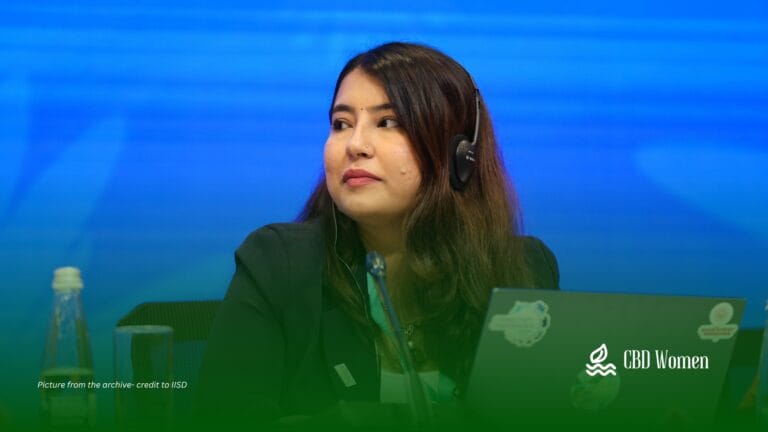
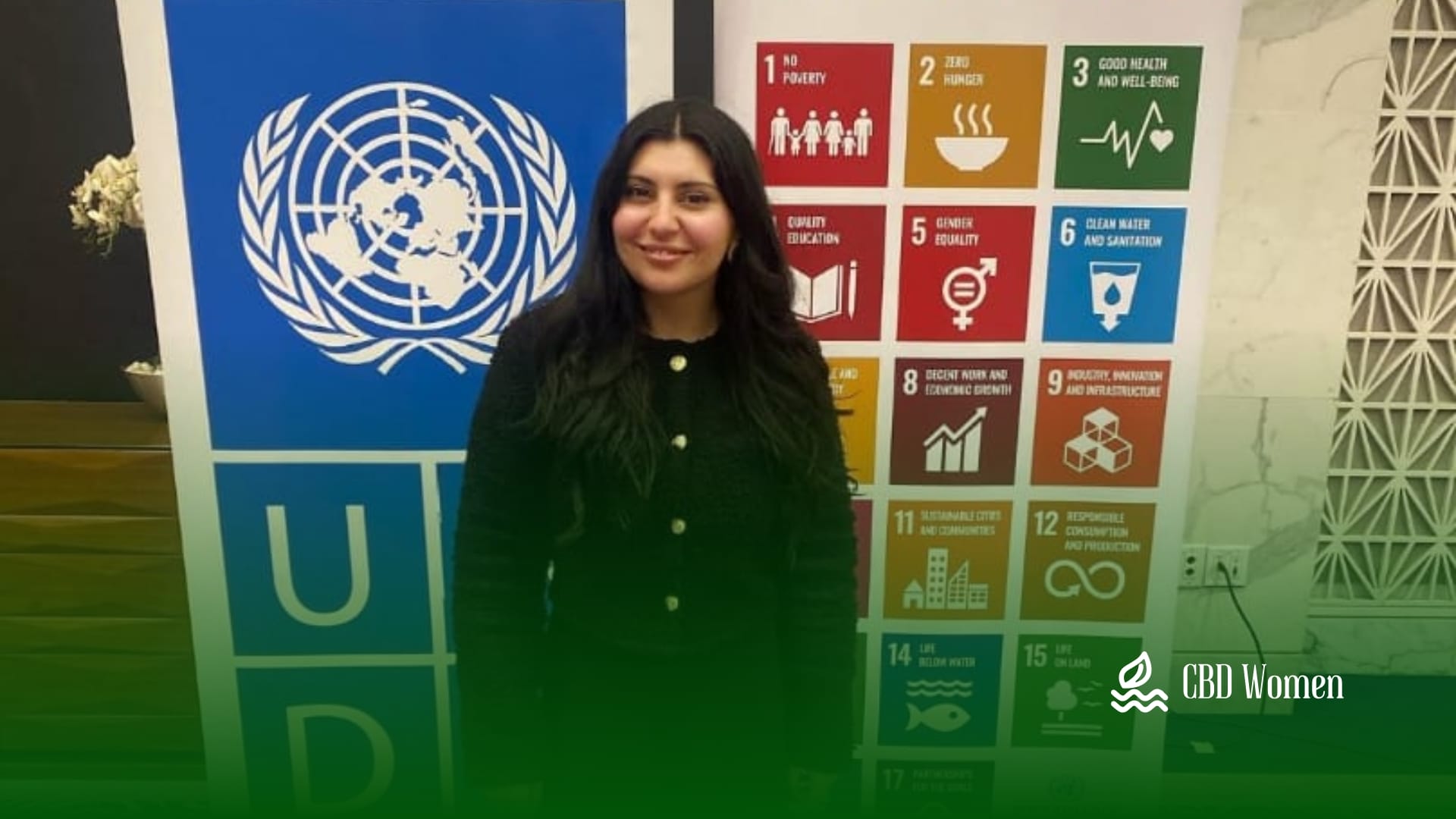
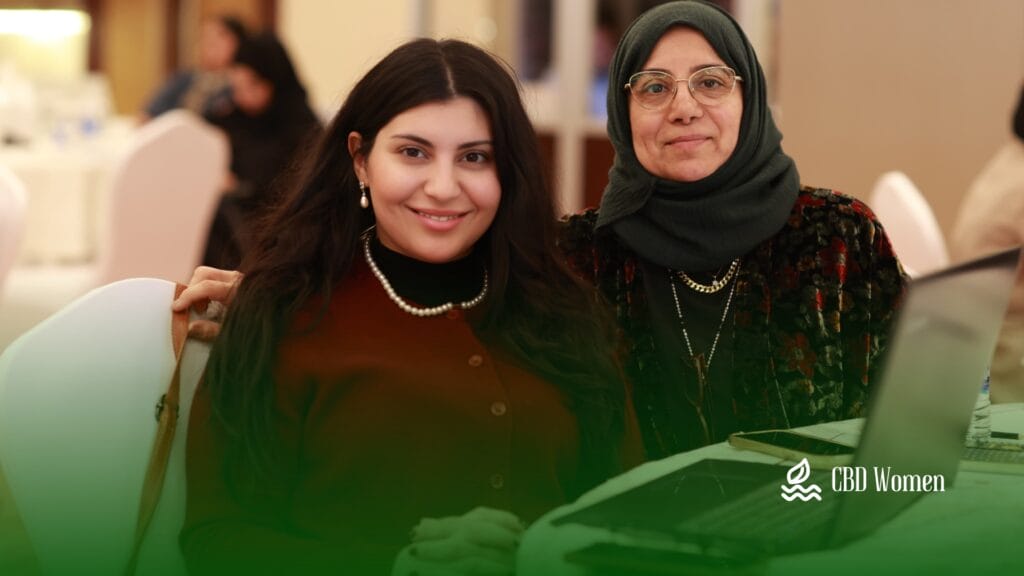
From December 21 to 23, 2025, in Manama, Bahrain, the CBD Women’s Caucus (CBD WC) participated in the Subregional Dialogue for countries of West Asia on biodiversity monitoring and reporting. The CBD Women’s Caucus was represented by Ms. Christina Chit Dirany from Lebanon, who actively contributed to the dialogue, emphasizing the importance of inclusive and gender-responsive approaches to biodiversity policies and actions.
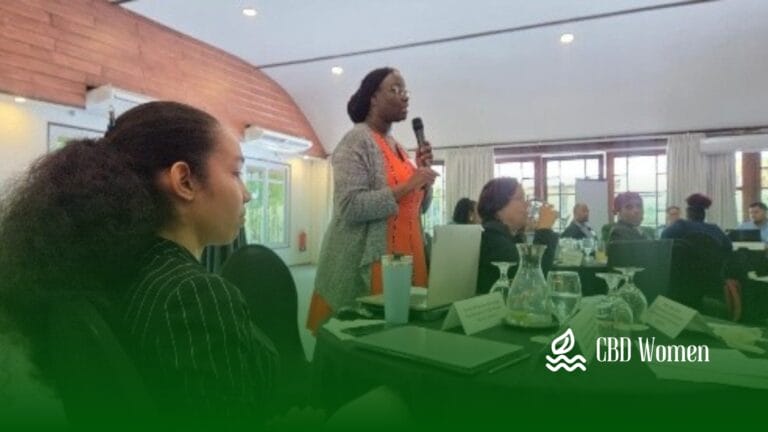
The dialogue was organized by the Secretariat of the Convention on Biological Diversity (CBD), the United Nations Environment Programme (UNEP), and the United Nations Development Programme (UNDP), with the support of the UNEP China Trust Fund, the Global Environment Facility (GEF), the Government of the Kingdom of Bahrain and The Supreme Council for the Environment of Bahrain. The dialogue brought together representatives from West Asian countries, alongside stakeholders from women, youth, and civil society organizations. The meaningful presence and inclusion of these groups in such regional processes are essential to advancing a whole-of-society approach and are critical to achieving shared biodiversity goals at national and regional levels. The dialogue is a part of regional and subregional dialogues to support Parties in updating their National Biodiversity Strategies and Action Plans (NBSAPs). In this context the West Asia subregion countries include Bahrain, Egypt, Iran (Islamic Republic of Iran), Iraq, Jordan, Kuwait, Lebanon, Oman, Qatar, the State of Palestine, Saudi Arabia, the Syrian Arab Republic, the United Arab Emirates, and Yemen. At the time of the dialogue, Jordan, the State of Palestine, Yemen, Iran (Islamic Republic of Iran), and the United Arab Emirates had submitted their renewed National Biodiversity Strategies and Action Plans (NBSAPs), while a number of Parties had submitted national biodiversity targets. This reflects varying stages of progress across the subregion and highlights the continued importance of subregional dialogue, cooperation, and targeted support.
Discussions focused on the following five priority areas:
- Women’s participation in NBSAP review processes
While some countries have engaged women’s groups and organizations in NBSAP reviews, a brief assessment by the CBD Women’s Caucus shows that women are still often excluded from consultative processes. There remains a significant gap in the integration of gender targets within NBSAPs. Strengthening women’s participation is essential to ensure that their priorities are reflected in national target‑setting and the development of action plans. Countries currently reviewing or updating their NBSAPs represent a critical entry point for embedding gender responsiveness.
- Gender‑responsive monitoring
Target 23 of the Kunming‑Montreal Global Biodiversity Framework is cross‑cutting, making it imperative that national monitoring frameworks capture gender‑differentiated impacts and women’s contributions across all targets. This includes the use of sex‑disaggregated indicators where possible and reporting on the component indicator for Target 23 on national implementation of the Gender Plan of Action, developed and peer‑reviewed by Parties and adopted at COP16.
- Gender‑responsive reporting
Reporting on NBSAP implementation through National Reports due in February 2026 should document the roles, contributions, and impacts of women in addressing biodiversity loss. This will support evidence‑based policy interventions to strengthen gender equality within KM‑GBF implementation. In addition, the mid‑term review of the Gender Plan of Action, to be discussed at SBI in February 2026, provides another key reporting opportunity for countries.
- Gender and Biodiversity Focal Points
Ensuring that every country has a Gender and Biodiversity Focal Point (GFP) is critical. The CBD Women’s Caucus has established a Gender and Biodiversity Focal Point Network to facilitate peer learning, exchange of experiences, and capacity‑building through webinars, policy briefings, and targeted support. This network supports GFPs in advancing gender responsiveness across all stages of NBSAP processes.
- Building synergies with other conventions and frameworks
Gender‑responsive biodiversity monitoring and reporting should not be addressed in isolation. Stronger synergies are needed with existing gender‑related processes under other conventions and frameworks, including UNFCCC, UNCCD, CEDAW, the Minamata Convention, and the SDGs, particularly SDG 5 on Gender Equality.
Together, these priorities underscored the need to move beyond consultation toward long-term, gender-responsive implementation of the Kunming-Montreal Global Biodiversity Framework in the West Asia subregion.
Highlights and Challenges
The dialogue also included a session led by UNEP West Asia, the Saudi Ministry of Environment, Water & Agriculture (MEWA), and the National Center of Wildlife (NCW), introducing the proposed Regional Biodiversity and Wildlife Programme for West Asia. The session highlighted the programme’s vision and strategic objectives, its alignment with relevant CBD COP decisions, and its contribution to strengthening the implementation of the Kunming-Montreal Global Biodiversity Framework. Participants shared initial reflections on regional priorities and thematic needs, contributing to the early shaping of the programme ahead of the planned regional consultation workshop in Riyadh in 2026. The programme has been developed under UNEP’s Saudi Environment Sustainability Programme, emphasizing the value of sustained regional cooperation.
Looking forward
It is essential that Parties and partners move beyond short‑term consultation and ensure the sustained and meaningful engagement of women, including grassroots women and women‑led organizations, throughout the implementation, monitoring, and reporting of NBSAPs and the Kunming‑Montreal Global Biodiversity Framework. Strengthening long‑term partnerships with women at community level will enhance locally grounded knowledge, improve data quality, and support more inclusive and effective biodiversity outcomes. Investing in women’s leadership, capacity‑building, and access to decision‑making spaces is critical to addressing persistent data gaps, strengthening community resilience, and advancing gender‑responsive biodiversity governance across the West Asia subregion.